


How to Identify Asbestos in Your Home
Asbestos was once a “wonder material” used in all sorts of building products across the UK. It was cheap, strong, and fire-resistant, so it went into homes, schools, factories and offices throughout most of the 20th century. However, by the late 1990s, we understood the dangers: asbestos fibres can cause serious illnesses if breathed in, including lung cancer and mesothelioma.
The UK finally banned asbestos in 1999. But if your home was built before 2000, there’s still a good chance it contains asbestos somewhere. In this guide, we’ll look at how to identify asbestos in your home, the common places it appears, and what you should do if you think you’ve found it.
Why you can’t always see asbestos
The first thing to know is that asbestos is not easy to recognise. The fibres are tiny, invisible to the naked eye, and mixed into other materials. A ceiling tile containing asbestos, for example, looks almost identical to one that doesn’t.
That’s why you can’t rely on appearance alone. The only way to confirm asbestos is through asbestos testing in a UKAS-accredited laboratory. However, you can still look for clues and know the high-risk areas in a property.
Common places asbestos is found in UK homes
Because asbestos was so widely used, it can be hiding in different parts of a house. Here are the main areas to check:
1. Garages and sheds
- Corrugated asbestos cement roof sheets were extremely popular for garages, outbuildings and sheds.
- Side panels and cladding may also contain asbestos.
- Example: If you have a detached garage with a grey, corrugated roof installed before 2000, it may well be asbestos cement.
2. Loft insulation
- Loose-fill insulation in lofts sometimes contained asbestos fibres.
- Lagging around hot water pipes and old boilers was another common use.
- Example: If your loft has fluffy, loose insulation that looks like shredded paper or cotton wool, it could contain asbestos.
3. Flooring
- Vinyl floor tiles from the 1960s–1980s often had asbestos mixed in.
- The adhesives used to stick tiles down may also contain asbestos.
- Example: If you lift an old carpet and find small square tiles underneath, they could be asbestos vinyl tiles.
4. Textured coatings
- Products like Artex were widely used on ceilings and walls. Many versions before 2000 contained asbestos.
- Example: A swirly or stippled ceiling pattern in an older property is a strong candidate for asbestos.
5. Roofing and guttering
- Asbestos cement sheets were common in roofs, soffits, gutters and downpipes.
- Example: If your house has old cement gutters that feel heavy and brittle, they may contain asbestos.
6. Fireproof panels and boards
- Asbestos insulation board (AIB) was used in partition walls, airing cupboards, behind fires and as soffits.
- Example: If you see old boards around a boiler cupboard, they may contain asbestos.

Signs that asbestos might be present
Although you can’t confirm asbestos by eye, there are warning signs that increase the likelihood:
- Age of the property – Homes built before 2000 have a higher chance of containing asbestos.
- Type of material – Cement sheets, insulation, Artex, and vinyl tiles are all common culprits.
- Condition – If the material looks worn, cracked, friable (crumbly) or damaged, treat it as a risk.
- History of renovations – Properties modernised before the ban may still contain asbestos behind newer finishes.
Why you shouldn’t disturb it
Asbestos in good condition and left undisturbed may not release fibres. However, once it’s damaged, drilled, sanded or broken, fibres escape into the air. You can’t see or smell them, but they can be inhaled easily.
Even small jobs, like sanding an Artex ceiling or drilling through floor tiles, can release dangerous levels of fibres. That’s why it’s crucial not to disturb suspected asbestos.
What to do if you suspect asbestos
If you think you’ve found asbestos in your home, follow these steps:
- Stop work immediately – don’t drill, sand, cut or scrape the material.
- Avoid touching it – keep people and pets away from the area.
- Get advice – contact an asbestos surveyor or removal contractor.
- Arrange asbestos testing – samples are taken and analysed by a UKAS-accredited lab.
- Plan next steps – if asbestos is confirmed, you may need asbestos removal or safe management.
Real-life examples
- Example 1: Garage roof – A family in Manchester discovered their detached garage had a corrugated roof from the 1980s. Tests confirmed it was asbestos cement. They had it professionally removed and replaced with modern roofing sheets.
- Example 2: Artex ceiling – A homeowner in Birmingham wanted to skim over their textured ceilings. A survey revealed asbestos in the coating. Contractors sealed and removed it before plastering.
- Example 3: Floor tiles – In a 1970s semi-detached house in London, old vinyl floor tiles were found under the carpet. Testing showed they contained asbestos, so a contractor removed them safely.
These examples show how asbestos can appear in ordinary homes, often without the owners realising.
FAQs about identifying asbestos
Can I identify asbestos myself?
No. You may recognise materials that often contained asbestos, but only lab testing can confirm it.
What if my home was built after 2000?
Homes built after 2000 should not contain asbestos, as it was banned in 1999.
Is asbestos always dangerous?
Not necessarily. If it’s in good condition and left undisturbed, it may not release fibres. The risk comes when it’s damaged or worked on.
Who can test asbestos?
Only trained professionals and accredited labs should handle asbestos testing.
Do I need to remove all asbestos from my home?
Not always. Sometimes asbestos can be left and managed safely. A surveyor can advise on the safest option.
Can I renovate without checking for asbestos?
If your home was built before 2000, always check first. Renovating without testing risks exposing fibres.
Get asbestos removal quotes
If you think your home might contain asbestos, don’t take risks. Arrange testing and, if needed, safe removal by certified contractors.
Request free asbestos removal quotes today and make sure your property is safe for your family.
Welcome to WordPress. This is your first post. Edit or delete it, then start writing!

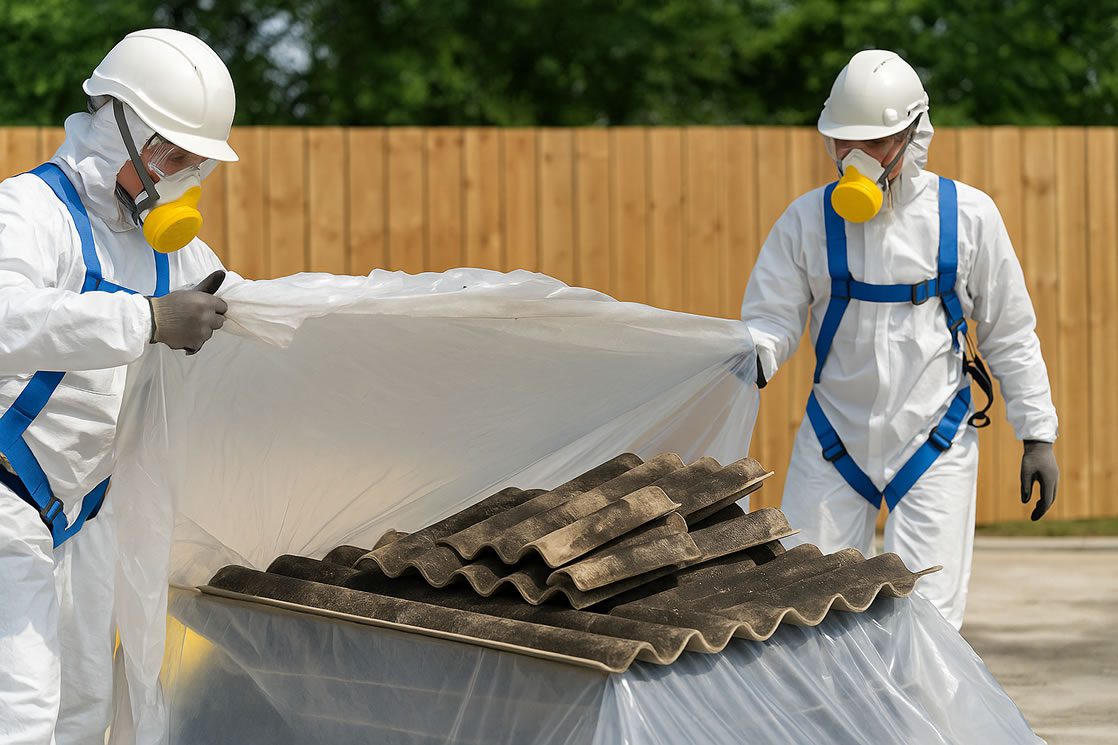
There’s always a worry before you start a renovation project that a house could contain asbestos. Take special care and avoid direct contact with it if you can. Contractors that are looking for fresh asbestos leads can get them via Leads Do Work.