How Dangerous is Asbestos Exposure?
Asbestos is often called the UK’s “hidden killer”. It was widely used in building materials until the year 2000, and even now, many homes, schools, offices and factories still contain it. While asbestos is safe if left undisturbed, it becomes dangerous when fibres are released into the air and breathed in.
But just how dangerous is asbestos exposure? In this guide, we’ll explain the risks, the health conditions linked to asbestos, and what to do if you think you may have been exposed.
Why asbestos is dangerous
Asbestos consists of tiny, sharp fibres that can lodge in the lungs when inhaled. The body cannot break them down or remove them easily. Over time, these fibres cause inflammation and scarring, which can lead to serious illnesses.
Unlike many hazards, asbestos exposure doesn’t cause symptoms straight away. Instead, health problems may develop decades later, often 20–40 years after exposure. That’s why asbestos remains such a serious concern today.
Health conditions caused by asbestos exposure
Asbestos has been linked to several life-threatening diseases:
1. Mesothelioma
- A rare and aggressive cancer that affects the lining of the lungs (pleura) or abdomen (peritoneum).
- Almost always caused by asbestos exposure.
- Once diagnosed, treatment options are limited, making prevention vital.
2. Asbestosis
- A chronic lung disease caused by scarring of lung tissue.
- Leads to shortness of breath, coughing, and in severe cases, respiratory failure.
- Usually linked to long-term occupational exposure.
3. Lung cancer
- Asbestos exposure significantly increases the risk of lung cancer.
- Smoking and asbestos exposure together multiply the risk even further.
4. Pleural thickening
- The lining of the lungs thickens and hardens, restricting breathing.
- While less severe than mesothelioma, it still affects quality of life.
How much exposure is dangerous?
There is no safe level of asbestos exposure. Even small amounts can be harmful if fibres are inhaled. However, the risk increases with:
- Duration – long-term exposure increases the likelihood of illness.
- Intensity – disturbing asbestos during building work releases more fibres.
- Type of asbestos – some types (such as blue asbestos, crocidolite) are more hazardous than others.
- Smoking – greatly increases the risks from asbestos.
For example:
- Brief, low-level exposure during DIY carries a smaller risk but is still unsafe.
- Workers in industries like construction, shipbuilding or insulation who handled asbestos regularly have the highest risk.
Where exposure still happens today
Although asbestos was banned in 1999, it’s still present in millions of buildings. Common sources include:
- Garage and shed roofs made of asbestos cement.
- Artex ceilings and textured coatings.
- Vinyl floor tiles and adhesives.
- Loft insulation and pipe lagging.
- Soffits, guttering, and downpipes.
- Fireproof panels and partition walls.
Renovation or demolition work in a pre-2000 property carries the highest risk of exposure.
Real-life examples of asbestos exposure
- DIY homeowner – A family in Leeds unknowingly sanded down an Artex ceiling in their 1970s home. Later testing confirmed it contained asbestos, meaning they were exposed during decorating.
- Tradesperson – A plumber in Birmingham worked on heating systems from the 1980s that were lagged with asbestos. Years later, he developed asbestosis.
- Public building – Several schools across the UK have closed classrooms temporarily after asbestos ceiling tiles were disturbed during maintenance.
These cases show how asbestos exposure still happens today, often without people realising until it’s too late.
What to do if you think you’ve been exposed
- Stop work immediately – avoid disturbing the area further.
- Don’t clean up yourself – sweeping or vacuuming can spread fibres.
- Seek medical advice – if you’ve had significant exposure, speak to your GP and explain the situation.
- Arrange testing – confirm whether the material contains asbestos.
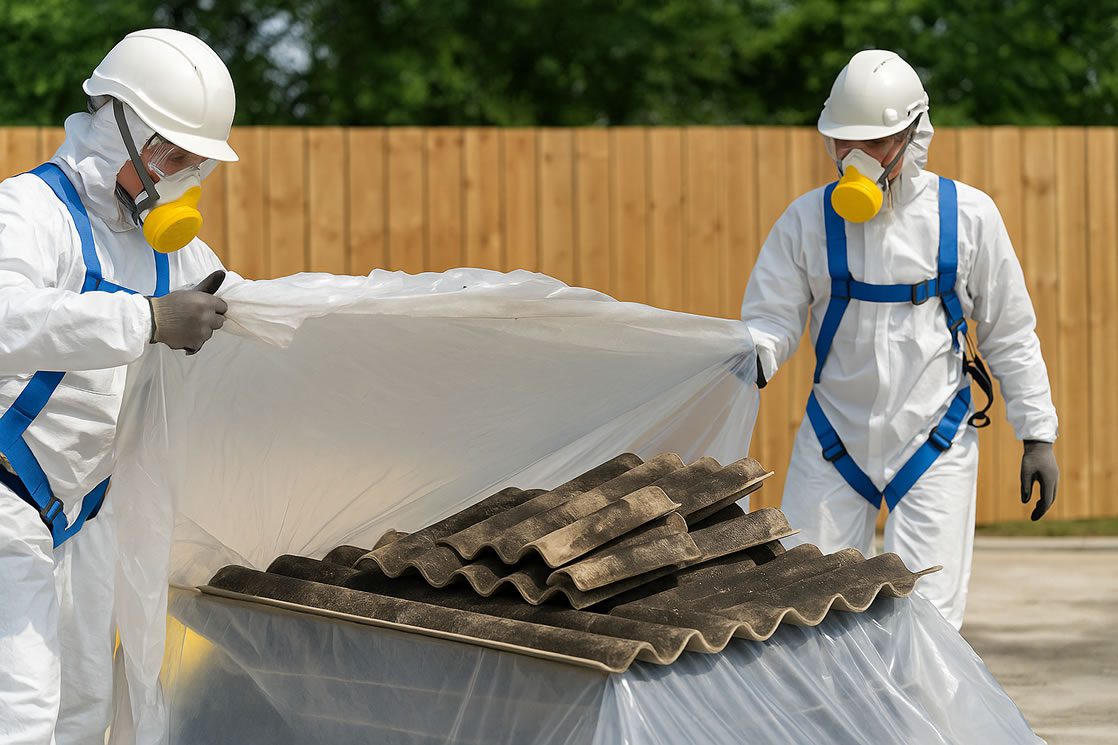
- Plan removal – if asbestos is present, hire certified contractors to remove asbestos safely.
FAQs about asbestos exposure
Can one-time exposure cause illness?
Yes. While long-term exposure is more dangerous, even one-time exposure carries a risk.
Is asbestos exposure always fatal?
No, not everyone exposed develops illness. But the risks are serious enough that asbestos must always be handled with care.
How long after exposure do symptoms appear?
Symptoms may not appear for 20–40 years after exposure.
Can asbestos exposure be treated?
There is no cure for asbestos-related illnesses, but treatments can manage symptoms and improve quality of life.
How can I prevent exposure?
Never disturb materials that may contain asbestos. Always arrange an asbestos survey before renovation.
Protect yourself from asbestos exposure
Asbestos exposure is one of the most serious health risks still found in UK homes and buildings. Even though it was banned in 1999, asbestos is still present in many properties. The only safe approach is to treat all suspect materials with caution, arrange surveys, and use licensed contractors for asbestos removal.
If you’re worried about asbestos in your home, request free asbestos removal quotes today and connect with certified UK professionals.