Common Places Asbestos is Found in Homes
Asbestos was once called a “miracle material.” It was cheap, strong and resistant to fire and heat. For decades, builders used it in all sorts of ways — from insulation to roofing. But asbestos can release tiny fibres that cause serious lung diseases, and since 1999 it’s been completely banned in the UK.
Many houses built or renovated before 2000 still contain asbestos today. You can’t always see it or know it’s there, which makes home improvement projects riskier than many homeowners realise. Here’s a practical guide to the most common places asbestos might be hiding inside and outside your property.
Why asbestos is tricky to spot
Asbestos fibres are microscopic. They’re usually mixed into other materials such as cement, plaster, vinyl and insulation. That means a ceiling tile containing asbestos looks no different to a normal one. You can’t confirm asbestos just by looking — the only reliable way is professional testing by a UKAS-accredited lab.
Still, it helps to know where asbestos was often used so you can be cautious and arrange testing before starting work.
Typical asbestos locations in UK homes
1. Garage and shed roofs
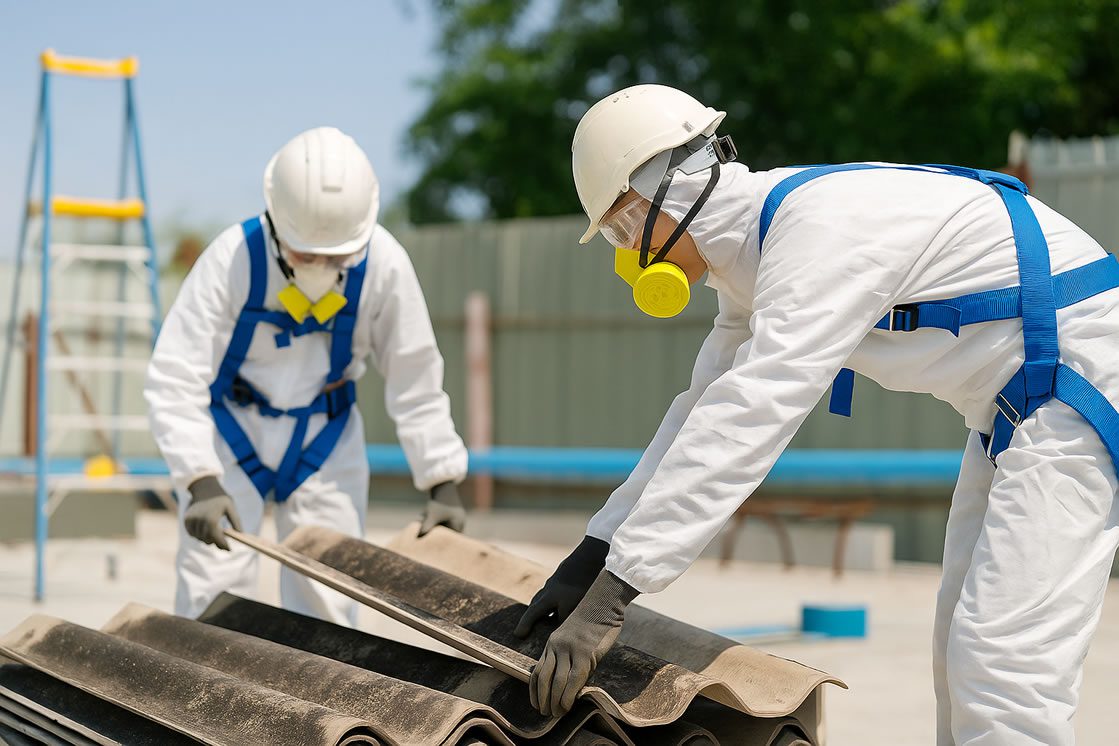
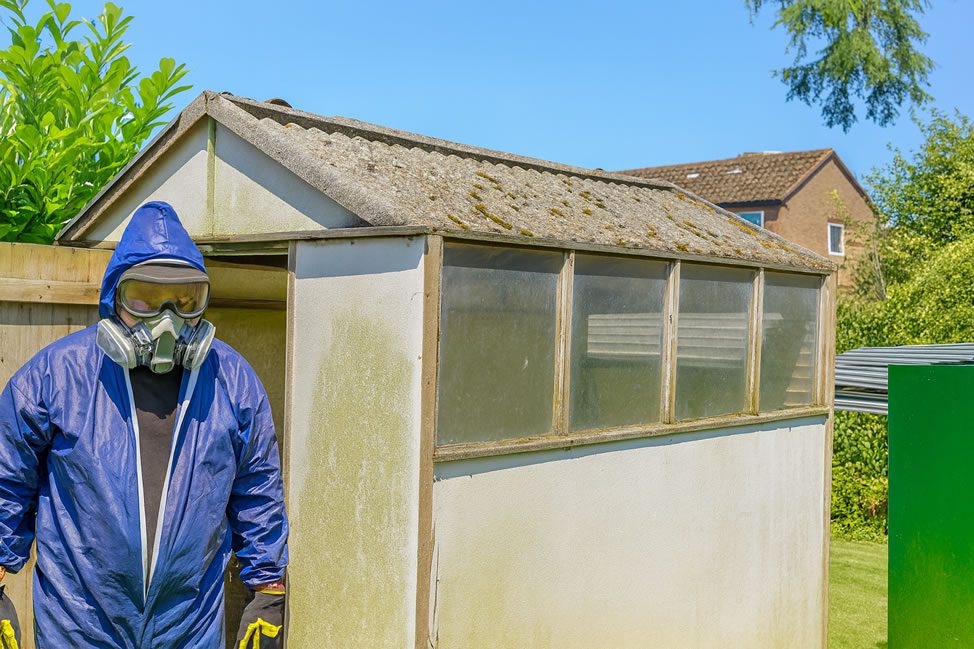
Old garages and outbuildings often have corrugated asbestos cement roof sheets. These look like wavy grey panels. Many are weathered, cracked or mossy after decades of use. Some walls and side cladding are asbestos cement too.
2. Soffits, gutters and downpipes
Eaves, roofline boards and rainwater goods from the mid-20th century often contain asbestos cement. They look similar to modern uPVC but are heavier and more brittle.
3. Loft insulation and pipe lagging
Loose-fill insulation in older lofts sometimes included asbestos. Boiler rooms and airing cupboards may have pipe lagging or insulation boards containing asbestos.
4. Ceiling and wall coatings (Artex)
Textured coatings were extremely popular from the 1960s to the 1980s. Many products branded as Artex or similar contained asbestos. They were applied to ceilings and walls to create swirls or stippled effects.
5. Floor tiles and adhesives
Vinyl tiles and the black bitumen adhesive beneath them often contained asbestos. They’re commonly found under carpets or laminate flooring in kitchens, bathrooms and hallways.
6. Fireproof panels and partitions
Asbestos insulation board (AIB) was used around boilers, behind fireplaces, in airing cupboards and for fireproof doors or walls.
7. Roofing materials
Flat roofs, garage roofs and shed roofs may all have asbestos cement sheets. Some felt roofing also contained asbestos.
Signs asbestos might be present
While you can’t identify asbestos with certainty, some clues suggest a higher risk:
- Home built before 2000.
- Corrugated cement panels on garages or sheds.
- Swirly or textured ceilings.
- Heavy, brittle roofline boards.
- Old vinyl tiles or black adhesive under flooring.
- Lagging or insulation that looks fluffy or crumbly.
If you’re unsure, don’t drill, cut or sand. Arrange a professional asbestos survey before doing any work.
Why it matters
Disturbing asbestos can release fibres you can’t see or smell. Once inhaled, they can cause life-threatening conditions such as mesothelioma, lung cancer and asbestosis decades later. Even small DIY jobs can create risk if asbestos is present.
What to do if you suspect asbestos
- Stop work immediately. Don’t break or disturb the material.
- Keep others away. Close off the area if possible.
- Seek advice. Contact an asbestos surveyor or removal contractor.
- Arrange testing. Confirm whether the material contains asbestos.
- Plan safe removal. If asbestos is present, use certified asbestos contractors.

Real-life example
A couple renovating their 1970s bungalow in Kent removed some old vinyl tiles without realising they contained asbestos. Later testing confirmed asbestos in both tiles and adhesive. They had to stop work, pay for decontamination and professional disposal, and the project cost far more than planned. A simple survey would have avoided the risk and expense.
FAQs about asbestos in homes
Can I check for asbestos myself?
No. Only laboratory testing can confirm it.
Is asbestos always dangerous?
Not if it’s in good condition and left alone. The danger comes when it’s damaged or disturbed.
Should I remove all asbestos from my home?
Not always. Sometimes it’s safer to leave asbestos if it’s stable and undisturbed. A professional can advise.
How much does removal cost?
Asbestos removal costs vary widely — small garage roofs may cost £400–£900, while larger or more complex jobs are more.
Keep your home safe
If you think your property might contain asbestos, don’t risk exposure. Get professional testing and, if needed, safe removal by qualified contractors. Contractors can get asbestos removal leads. Go and check out our leads page on this website.
Request free asbestos removal quotes today and make your home a safer place.
Common Asbestos Materials in Homes — Quick Reference
| Material / Product | Typical Location in Homes | Risk Level* | Removal Complexity |
|---|---|---|---|
| Asbestos cement sheets | Garage and shed roofs, outbuildings, soffits, gutters, downpipes | Low–Medium (fibres bound but can release if broken) | Usually straightforward; non-licensed if in good condition |
| Loose-fill insulation | Lofts, cavity walls, under floors | High (friable, easily disturbed) | Licensed contractors required; full containment needed |
| Pipe lagging | Boilers, hot water pipes, airing cupboards | High (friable, releases fibres easily) | Complex; always licensed removal and air monitoring |
| Asbestos insulation board (AIB) | Internal walls, ceilings, behind fires, airing cupboards | High | Requires licensed removal; sealed work area and clearance testing |
| Textured coatings (Artex) | Ceilings and walls | Medium (if sanded, drilled or scraped) | Non-licensed but must be done by trained professionals |
| Vinyl floor tiles & adhesive | Kitchens, bathrooms, hallways under carpets or lino | Low–Medium (fibres bound but can release when lifted) | Usually non-licensed; PPE and careful handling required |
| Roof felt with asbestos | Flat roofs, garage roofs | Medium | Often requires specialist removal; safe waste disposal essential |
*Risk level assumes material is damaged or disturbed. Undamaged asbestos may not pose an immediate threat but still requires management.