

Do I Need an Asbestos Survey Before Renovation?
Renovating a property is exciting. Whether you’re planning a loft conversion, a new kitchen, or a complete refurbishment, it’s a chance to transform your home into something more comfortable, modern, and valuable.
But before you start drilling, sanding, or knocking down walls, there’s something important you need to think about: asbestos.
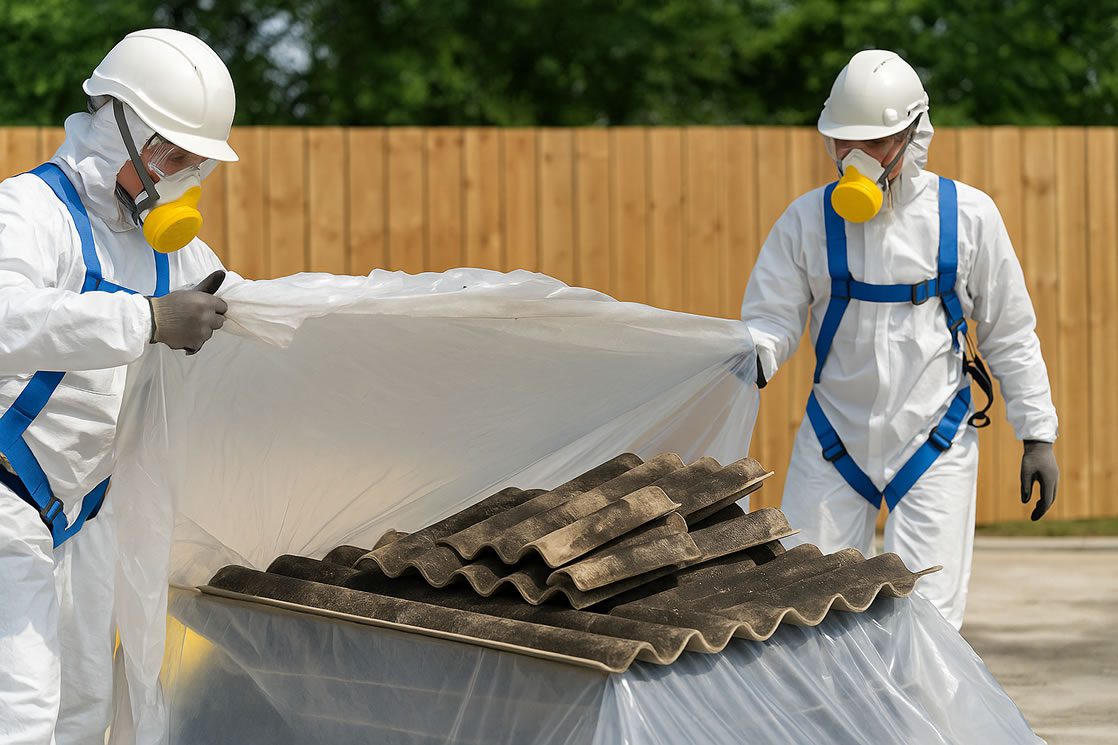
Asbestos was used in millions of UK homes and buildings until it was banned in 1999. That means if your property was built before 2000, there’s a real chance it could still contain asbestos in some form. The danger comes when asbestos-containing materials (ACMs) are disturbed. They can release harmful fibres into the air — fibres that, if inhaled, can cause serious illnesses years later.
So, the question is: Do you need an asbestos survey before renovation?
The short answer
Yes. If your property was built before 2000, you should arrange an asbestos survey before starting renovation work. For homeowners, it may not be a strict legal requirement, but it is strongly recommended for safety and planning. For businesses, landlords, and duty holders, it is a legal duty under the Control of Asbestos Regulations 2012.
Why asbestos surveys matter before renovation
There are three main reasons to get an asbestos survey before starting renovation:
1. Safety comes first
- Renovation work often involves drilling, cutting, or demolishing materials. If those materials contain asbestos, fibres can be released into the air.
- Asbestos fibres are microscopic, so you can’t see them. Once inhaled, they can cause diseases like asbestosis, mesothelioma, and lung cancer.
- Protecting your family, contractors, and even neighbours from exposure should always be the top priority.
2. Legal compliance
- Under the Control of Asbestos Regulations 2012, asbestos must be identified and managed before any work begins on a property that may contain it.
- Homeowners aren’t usually prosecuted for not arranging a survey, but landlords, businesses, and contractors can face heavy fines if asbestos is disturbed without checks.
- Even if you’re just a private homeowner, survey results also serve as valuable records if you plan to sell your property later.
3. Planning and budgeting
- Renovations are stressful enough without nasty surprises. If asbestos is discovered halfway through a job, work may stop immediately.
- Emergency asbestos removal often costs more than planned removal.
- A survey allows you to factor in asbestos removal costs from the start, avoiding sudden budget shocks.
What type of asbestos survey do you need?
There are two main types of asbestos survey in the UK:
Management Asbestos Survey
- Designed for the day-to-day management of asbestos in a building.
- Identifies ACMs that may be present during normal occupation and maintenance.
- Suitable for landlords or property managers who aren’t planning major works.
Refurbishment & Demolition (R&D) Survey
- Required before any renovation, refurbishment, or demolition.
- This is more intrusive: surveyors may open walls, lift floorboards, or check ceilings to identify hidden asbestos.
- Samples are taken and analysed in a UKAS-accredited lab.
- Provides a detailed report showing the type, location, and condition of asbestos.
If you’re planning significant renovation in a pre-2000 property, you’ll almost certainly need an R&D survey.
Where asbestos is commonly found during renovations
Asbestos could be hiding in many areas of your home or building. Renovation projects often disturb the following:
- Loft conversions – asbestos insulation, pipe lagging, or roofing sheets.
- Garage refurbishments – corrugated asbestos cement roof sheets or wall panels.
- Kitchen or bathroom refits – vinyl floor tiles, adhesives, and textured ceilings.
- Extensions – external soffits, insulation boards, or wall cladding.
- Whole-house refurbishments – asbestos insulation boards in walls, ceilings, and partition panels.
Even simple jobs like drilling into an Artex ceiling or removing old floor tiles can release asbestos fibres.
What happens during an asbestos survey?
A professional asbestos survey is usually straightforward but thorough. Here’s what to expect:
- Initial consultation – The surveyor will ask about the age of your property, the areas you want to renovate, and the work planned.
- Inspection – They’ll examine the property, often opening up areas to look behind walls, floors, and ceilings.
- Sampling – Small pieces of suspected materials are taken and sealed for laboratory analysis.
- Laboratory testing – Samples are sent to a UKAS-accredited lab, where experts check for asbestos.
- Report – You’ll receive a detailed document showing where asbestos is located, its condition, and recommendations for removal or management.
Costs of an asbestos survey
The cost depends on the type and size of your property, but on average the cost of asbestos in 2025:
- Management survey – £200 to £400 for a standard house.
- Refurbishment & demolition survey – £300 to £600, depending on the size and number of rooms.
- Sample testing – £30 to £50 per sample, often included in survey fees.
While it may feel like an extra cost upfront, surveys usually save money in the long run by preventing costly project delays.
Real-life examples
- Example 1: Kitchen renovation in London – A homeowner wanted to replace old vinyl tiles. The survey confirmed both the tiles and adhesive contained asbestos. Removal cost £950, but it prevented dangerous exposure during the refit.
- Example 2: Loft conversion in Manchester – A family planned to add a bedroom in the loft. The survey revealed asbestos insulation around pipes. Contractors removed it for £1,200 before building work started.
- Example 3: Office refurbishment in Birmingham – A landlord arranged an R&D survey before converting an office block into flats. Asbestos insulation boards were found in several walls. Removal cost £15,000, but planning for it upfront avoided project delays.
What if you skip a survey?
Skipping an asbestos survey before renovation can lead to:
- Health risks – contractors and family members exposed to asbestos fibres.
- Legal problems – businesses and landlords face fines or prosecution.
- Delays – renovation may be halted if asbestos is discovered mid-project.
- Higher costs – emergency removal is usually more expensive.
- Loss of property value – if asbestos is later discovered, it may impact sales.
Simply put: not having a survey can cost far more in the long run.
FAQs about asbestos surveys before renovation
Do I always need a survey before renovation?
If your property was built after 2000, you shouldn’t need one. But if it was built before 2000, an asbestos survey is strongly recommended.
Who pays for the survey?
As the homeowner, you usually pay. For commercial buildings, the duty holder or landlord is responsible.
Do builders check for asbestos themselves?
No. Builders may stop work if they suspect asbestos, but only licensed surveyors can confirm it.
How long does a survey take?
A small property survey can take a few hours. Larger or more complex properties may take a day or more, with lab results available within a few days.
Can I renovate without a survey?
You can, but it’s risky. You may expose asbestos accidentally, putting people in danger and increasing costs.
What happens if asbestos is found?
A removal plan is created. Licensed asbestos contractors remove asbestos and dispose of the materials before renovation continues.
Arrange an asbestos survey before you renovate
If you’re planning a renovation on a property built before 2000, don’t take chances. An asbestos survey gives you peace of mind, ensures legal compliance, and prevents costly delays.
Get free asbestos survey quotes today and connect with certified UK contractors before your project begins.

