
Domestic Asbestos Removal
Thousands of homes across the UK still contain asbestos, especially those built before the year 2000. For years, builders praised asbestos for being cheap, durable and fire-resistant. However, today we understand the serious health risks it creates. When damaged or disturbed, asbestos releases tiny fibres into the air. Once inhaled, those fibres can cause life-threatening illnesses.
If you suspect your home, garage, loft or even a garden shed contains asbestos, the safest step is to arrange professional domestic asbestos removal. Trained contractors know how to handle asbestos correctly, dispose of it legally, and leave your home safe for the future.
Where asbestos hides in UK homes
Asbestos appeared in a wide range of building products. Even properties that look modern may still conceal it. For example, you might find it in:
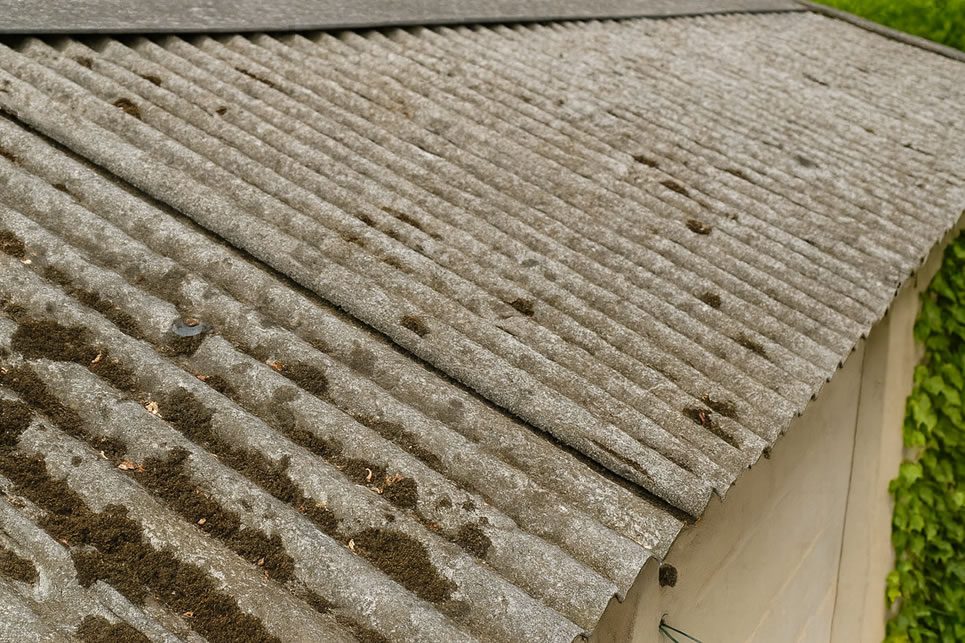
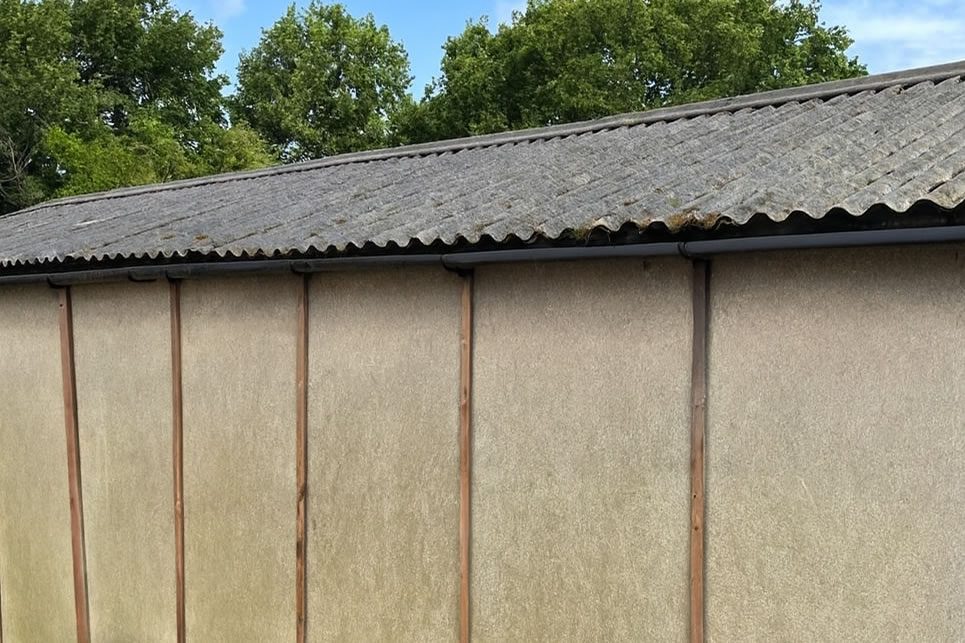
- Garages and sheds – cement roof sheets, wall panels and side cladding.
- Loft insulation – loose fill materials and lagging around pipes or boilers.
- Flooring – vinyl tiles, adhesives and screeds.
- Textured coatings – ceiling and wall finishes like Artex.
- Roofing and guttering – cement sheets, soffits, gutters and downpipes.
- Fireproof panels – often placed in airing cupboards or behind fireplaces.
Since asbestos looks similar to many other materials, you cannot confirm its presence by sight. Therefore, arranging an asbestos survey and testing is the only reliable way to be certain.
The risks of asbestos in homes
Undisturbed asbestos in good condition may not pose immediate danger. However, routine DIY or maintenance often creates a risk without you realising it. For example, drilling walls, sanding ceilings, lifting floor tiles or repairing garage roofs can all disturb asbestos and release fibres.
Long-term exposure is linked to several severe illnesses, including:
- Mesothelioma – a rare cancer that attacks the lining of the lungs.
- Asbestosis – scarring in the lungs that causes breathing difficulties.
- Lung cancer – often linked to asbestos exposure, especially among smokers.
Because these diseases develop slowly, sometimes over decades, preventing exposure remains the only safe approach.
The domestic asbestos removal process
Professional contractors follow a clear step-by-step process to protect homeowners and families. The typical stages include:
- Survey and inspection
A qualified surveyor inspects the property to identify asbestos. If required, they take samples for laboratory asbestos testing. - Planning and risk assessment
Contractors create a detailed plan, setting out safety measures, protective equipment and disposal methods. - Containment and removal
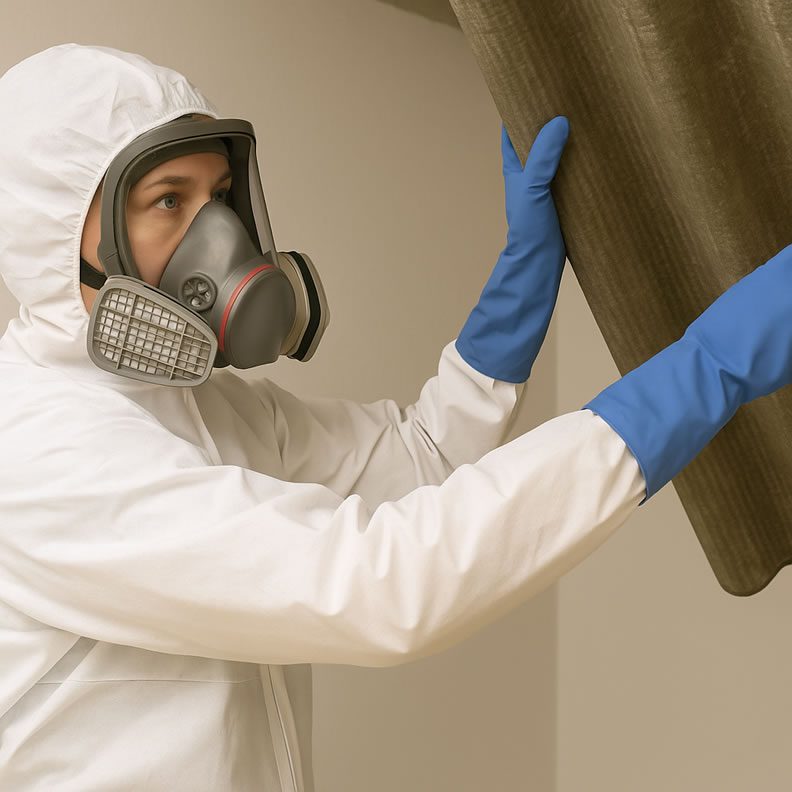
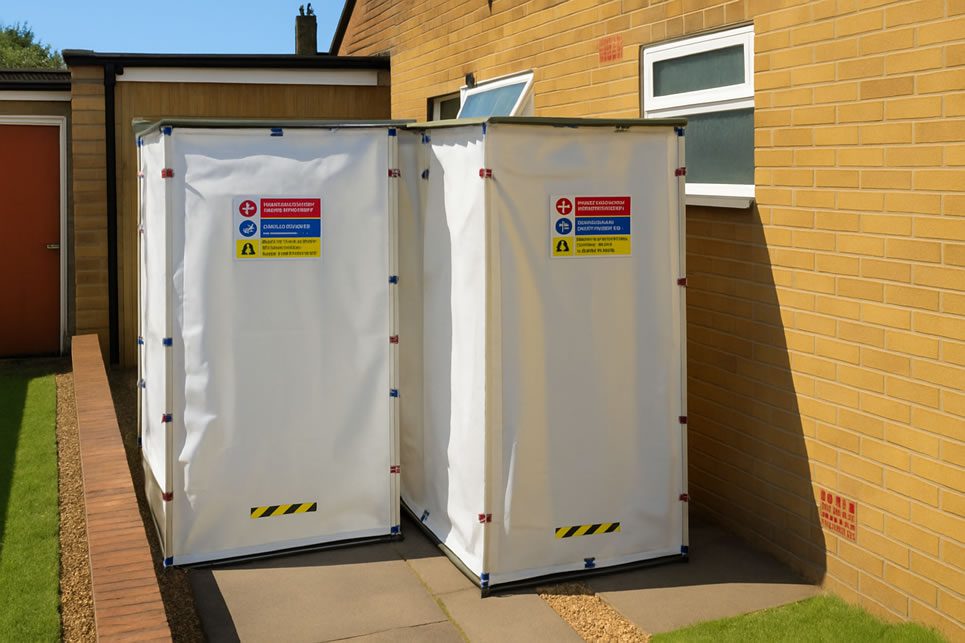
They seal off the area if necessary. Using specialist equipment, they remove asbestos carefully while wearing full protective clothing. - Waste packaging and disposal
The team double-bags, seals and labels all waste. Licensed carriers then transport it to approved asbestos disposal sites. - Clearance and certification
Finally, air monitoring and checks confirm your home is safe. You may also receive paperwork proving the job was completed correctly.
Garages and sheds
Many domestic asbestos removal projects involve garages or garden sheds. Old corrugated roof sheets and wall panels made from asbestos cement often weather, crack and break. As a result, they release harmful fibres. Contractors can dismantle and replace these structures safely, often within a single day. Get a roofing quote once roof is removed to get it replaced.
Lofts and insulation
In older homes, lofts and airing cupboards frequently contain asbestos insulation. Loose fill insulation and pipe lagging present some of the highest risks. Therefore, if you plan a loft conversion, rewiring or insulation upgrade, you should always arrange a survey first. Once asbestos is confirmed, removal can be scheduled before work begins.
Flooring and wall coatings
Domestic asbestos removal often includes flooring and textured coatings. Vinyl tiles, adhesives and Artex coatings may appear harmless at first. However, sanding or scraping them during decorating can release dangerous dust. By hiring professionals, you ensure these materials are taken out safely and responsibly.
Why you should avoid DIY asbestos removal
DIY asbestos removal may seem like a cheap option, but in reality, it creates huge risks. Without training or protective gear, you can spread fibres quickly, contaminate your home and put your family at risk.
Certified contractors:
- Follow strict HSE guidance from start to finish.
- Use professional containment systems and protective clothing.
- Handle asbestos disposal legally with all the right paperwork.
- Leave your property clean, safe and compliant.
Legal responsibilities for homeowners
Homeowners do not have to remove asbestos if it is in good condition and remains undisturbed. On the other hand, once asbestos becomes damaged or likely to be disturbed, safe removal becomes the best option.
Landlords and property managers have extra responsibilities. Under the Control of Asbestos Regulations 2012, they must identify asbestos in rental homes, keep records and arrange removal where needed.
Cost of domestic asbestos removal
The cost varies depending on the size and type of job. Typical examples include:
- Garage roof removal – £400–£900.
- Shed dismantling – £300–£600.
- Loft insulation removal – from £800 upwards.
- Floor tile removal – charged per square metre.
Most contractors include safe asbestos disposal in their quotes. Nevertheless, it’s always wise to confirm. In addition, comparing several asbestos removal quotes helps you find the best value.
FAQs about domestic asbestos removal
Do I need to remove all asbestos from my home?
Not always. If asbestos remains in good condition and undisturbed, managing it in place may be safer. A survey will confirm the best approach.
Can I stay at home during removal?
For small projects, yes. Contractors seal off affected areas to protect you. However, larger jobs may require you to leave until clearance testing finishes.
What happens to asbestos waste?
Contractors package, label and transport the waste to licensed disposal sites. They also provide documents proving it was handled legally.
Do I need a survey first?
Yes. Surveys and asbestos testing normally come before removal so contractors know exactly what they are dealing with.
How long does asbestos removal take?
That depends on the project. For example, a shed roof may take only a few hours, while loft insulation can take several days.
Arrange domestic asbestos removal today
If you suspect asbestos in your home, garage, loft or shed, don’t risk your health. Book professional domestic asbestos removal and keep your family safe.
Request free asbestos removal quotes today and choose a contractor you can trust.